Cryogenic dewar repair and maintenance
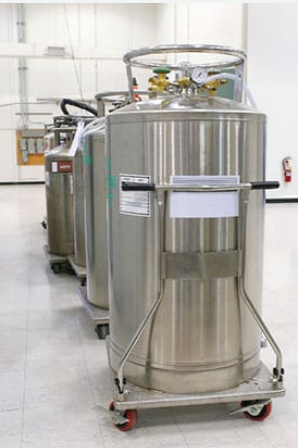
Cryogenic dewars are essential equipment for the safe storage of liquefied gases at very low temperatures. Regular maintenance helps preserve their thermal efficiency, prevent leaks, and ensure operational safety. Repair services include inspection of insulation, valves, and structural components to guarantee optimal performance. Keeping dewars in good condition helps reduce operating costs and extend their service life. Proper management of these systems is crucial for laboratories, hospitals, and industries that rely on cryogenics.
CryoEngineers
6/16/20262 min read
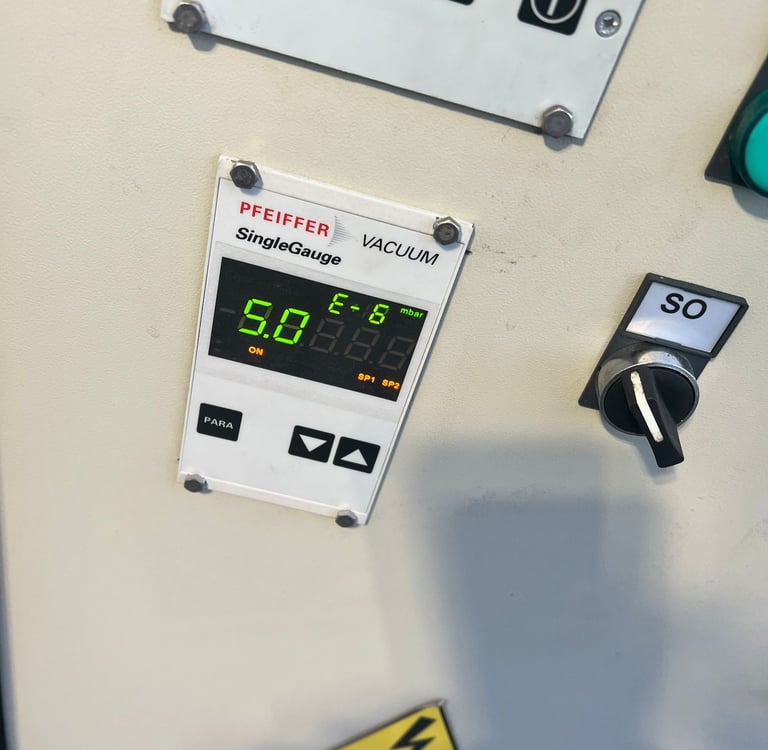
Vacuum Leaks in Dewars and Cryogenic Tankers: Fast Detection to Minimize Losses
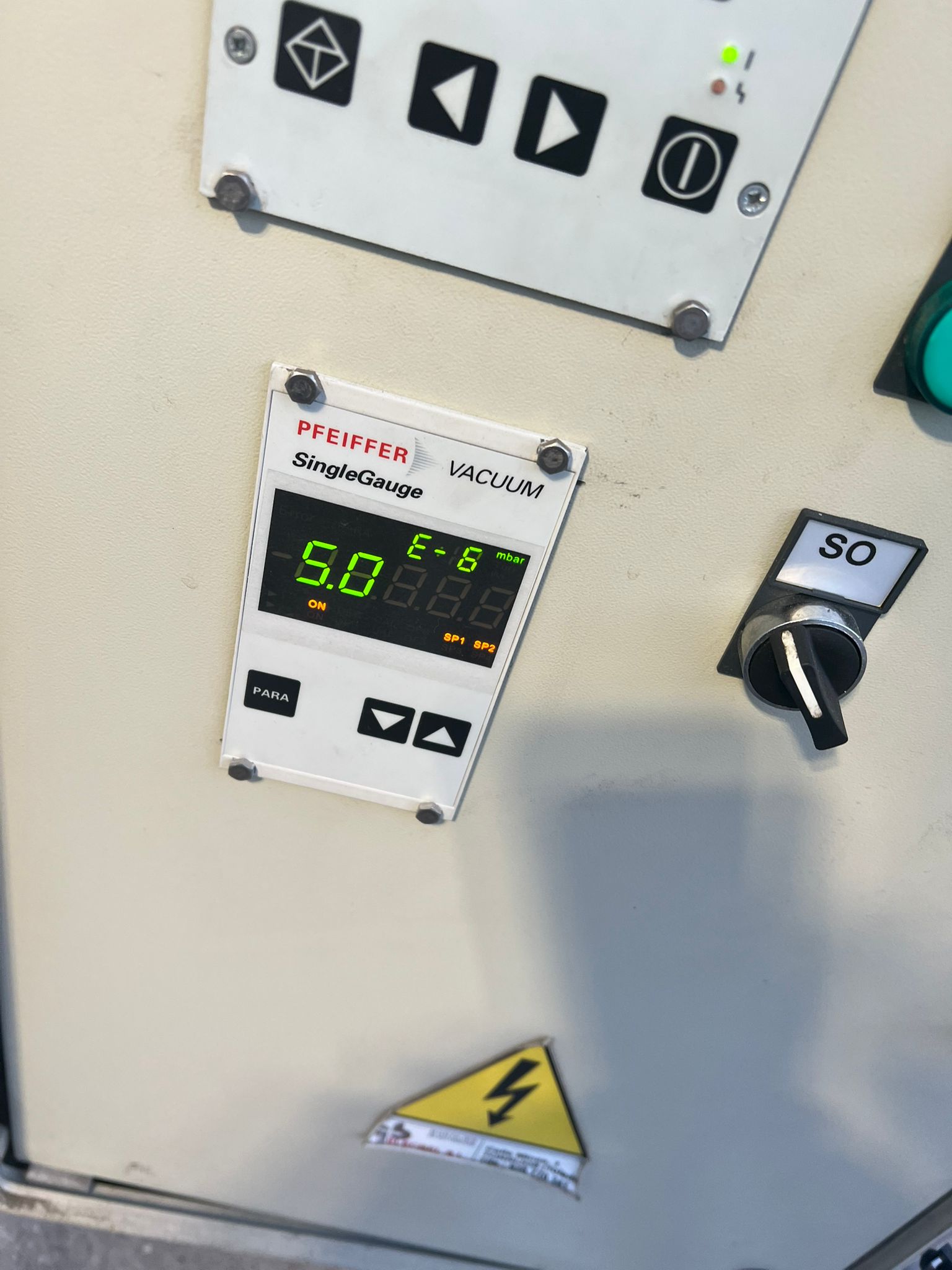
Dewars and cryogenic tankers rely on a high-quality vacuum to maintain effective thermal insulation. When a vacuum leak occurs, even a very small one, the storage and transportation performance of the equipment can be severely affected, leading to increased product losses, higher operating costs, and reduced efficiency.
Why Do Vacuum Leaks Occur?
Throughout the service life of a dewar or cryogenic tanker, vacuum leaks may develop due to several factors:
Material fatigue caused by repeated filling and emptying cycles.
Microcracks in welds or mechanical connections.
Damage resulting from vibrations during transportation.
Aging of seals, valves, and vacuum components.
Corrosion or manufacturing defects.
Mechanical impacts during loading and unloading operations.
Over time, these factors can compromise the integrity of the vacuum space and significantly reduce the thermal performance of the equipment.
How Can a Loss of Vacuum Be Detected?
In many cases, the first signs of vacuum degradation appear long before the leak becomes visible:
Abnormal pressure build-up inside the vessel.
Increased frequency of pressure relief valve operation.
Higher boil-off rates and product evaporation.
Frost formation or cold spots on the external surface.
Reduced storage holding time.
Increased energy consumption in associated systems.
Early detection helps prevent significant product losses and minimizes operational disruptions.
Consequences of Vacuum Loss
When the vacuum level deteriorates, heat transfer into the cryogenic vessel increases substantially, resulting in:
Increased evaporation of liquid oxygen (LOX), liquid nitrogen (LIN), liquid argon (LAR), LNG, or liquid CO₂.
Higher operating costs.
Reduced storage efficiency.
Increased stress on valves and safety systems.
Reduced equipment availability.
Potential disruptions to the supply chain.
For transport and distribution operations, a vacuum leak can quickly turn a valuable asset into a source of continuous product losses and unnecessary costs.
Helium Leak Detection: The Most Accurate Method
The use of helium as a tracer gas remains the most reliable method for locating vacuum leaks in dewars and cryogenic tankers.
Thanks to its extremely small molecular size and inert properties, helium can identify microleaks that are impossible to detect using conventional inspection methods.
This procedure is performed in accordance with internationally recognized standards, including:
UNE-EN 1779.
ISO 20485.
ASME Section V.
Helium leak detection allows precise leak localization, reducing downtime, maintenance costs, and unnecessary repairs.
CryoEngineers: Specialists in Vacuum Leak Detection and Restoration
At CryoEngineers, we specialize in vacuum leak detection and vacuum restoration services for dewars, microbulk tanks, cryogenic tankers, and storage and transportation equipment for liquefied gases.
Our services include:
Helium leak detection.
Vacuum system inspections.
Thermal insulation performance assessments.
Leak repair solutions.
Vacuum restoration and performance recovery.
On-site technical assistance.
In most cases, our teams can be mobilized within 24 to 48 hours, helping customers minimize operational impact and product losses.
If you have noticed increased boil-off rates, unexplained product losses, frost formation, or suspect vacuum degradation in your equipment, our specialists can help identify the source of the problem and provide an effective solution quickly and efficiently.
+34 614089346