QUALITY YOU CAN TRUST
INDUSTRIAL GASES
Industrial cryogenic gases are gases produced on an industrial scale and widely used across manufacturing, energy, medical, scientific and research sectors. The most common cryogenic industrial gases include liquid nitrogen (LIN), liquid argon (LAR), liquid oxygen (LOX), liquefied natural gas (LNG) and carbon dioxide (CO₂).
These gases are stored and handled at extremely low temperatures in liquid form, allowing high storage density and efficient transportation. Due to their cryogenic nature, their production, storage and distribution require specialized cryogenic equipment, advanced thermal insulation and strict safety standards.
Production of Industrial Gases – Air Separation Units (ASU)
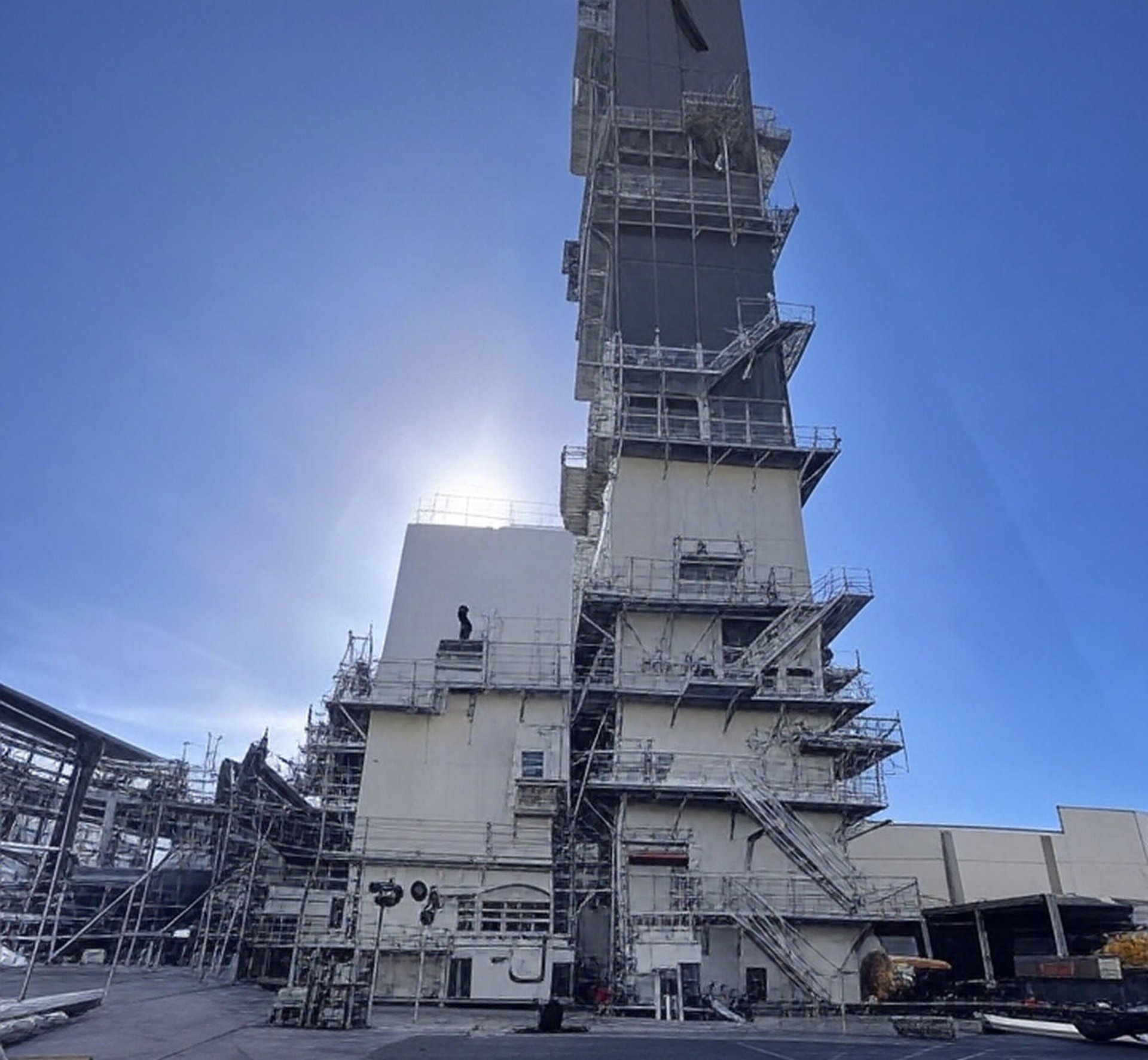
Most industrial cryogenic gases such as nitrogen, oxygen and argon are produced in Air Separation Units (ASU).
An ASU is an industrial facility that separates atmospheric air into its main components through compression, cryogenic cooling and fractional distillation, delivering high-purity gases in liquid or gaseous form.
ASUs are critical installations where thermal efficiency, vacuum integrity and reliable cryogenic systems are essential for continuous and cost-effective operation.
Transportation and Storage of Cryogenic Gases
After production, industrial cryogenic gases are transported and stored using:
Cryogenic storage tanks
Dewars and portable cryogenic vessels
Vacuum insulated piping (VIP)
Cryogenic tankers and trailers
Vacuum insulation plays a key role in minimizing heat transfer, reducing boil-off losses and ensuring safe and efficient operation. Any degradation of vacuum insulation directly impacts energy consumption, system performance and operational costs.
Our Focus: Cryogenic Maintenance for Industrial Gases
At Cryoengineers, we specialize in cryogenic maintenance services for industrial gas installations, with a strong focus on Air Separation Units (ASU) and associated cryogenic infrastructure.
Our expertise includes:
Maintenance of vacuum insulated piping, including diagnostics, leak detection and vacuum recovery
Vacuum recovery for cryogenic storage tanks to restore thermal insulation and operational efficiency
Maintenance and repair of industrial cryogenic installations
Technical assessment of continuously operating cryogenic systems
Preventive maintenance services to reduce unplanned downtime and product losses
With extensive experience in industrial cryogenics, we support gas producers and plant operators in optimizing system performance, extending equipment service life and ensuring safe, reliable operation of critical cryogenic facilities.
+34 614089346